Don’t make the Arctic suffer for our sins

iAbout Press releases
As part of our continuing efforts to bring you as much information about our region as possible we offer readers a press release service that allows private firms, public agencies, non-governmental organisations and other groups to submit relevant press releases on our website.
All press releases in this section are published in their full length and have not been edited.
If you have a press release or other announcement you would like to have published, please send it to [email protected].
We reserve the right to reject press releases we deem irrelevant or inappropriate.
All material submitted to The Arctic Journal, including pictures and videos, will be assumed to be available for publication by The Arctic Journal and its related entities.
Certain images are conjured up at the mention of the word ‘Arctic’: vast expanses of ice, the magic of the Northern Lights, glaciers churning out icebergs and animals found nowhere else on the planet.
The Arctic is indeed a place of incredible landscapes, a unique natural environment and fascinating wildlife. And unlike in the South, where many places no longer have virgin wilderness, and where wildlife is becoming increasingly less diverse, in the Arctic, nature is right outside your front door and extends as far as the eye can see.
From my office here in Copenhagen, I have a view of a concrete jungle, interspersed here and there by the occasional tree. As far as animal life goes, there are dogs, cats and pigeons and some gulls.
Many in Denmark and elsewhere have given up trying to help nature re-establish itself in their area. Instead they have directed their urge to conserve towards the North. Quite often, it seems as if they believe that all of our problems will be solved if the can just ‘save’ the Arctic by turning it into an open-air museum where development is forbidden.
SEE RELATED: Profile: Gitte Seeberg
As far as I’m concerned, this is a harmful attitude.
Today, the Arctic Council opens its biennial ministerial meeting in Iqaluit, Nunavut, an Inuit territory with some administrative powers devolved to it from Ottawa.
During the summit, cabinet members and other representatives of Arctic countries will meet to discuss the future of the region. Joining them will be an increasing number of non-Arctic states. Unfortunately, their discussions all too often overlook the fact that the Arctic is home to over four million people.
Far too many of these individuals live under conditions that more closely resemble those found in developing countries.
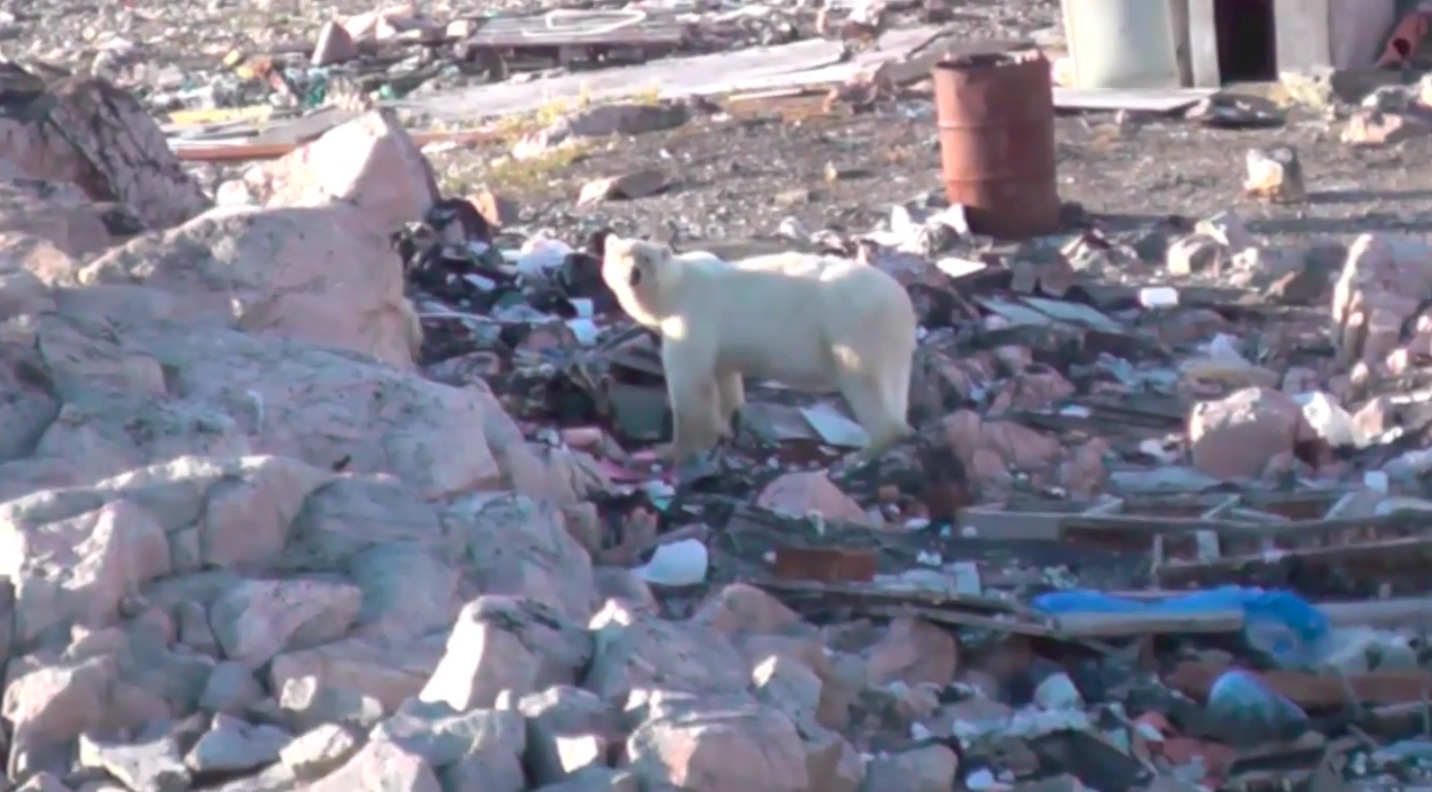
Food security is pathetic. (In Nunavut, some 70% of households face moderate to serious levels of food insecurity.) Children go to bed hungry. Electricity prices are atrocious. Milk is prohibitively expensive. Suicide rates are depressing.
The Arctic doesn’t need us to come and ‘save’ its environment or its people. If the people of the North are to be able to hope for a better life, the Arctic needs development. I believe that is done best by choosing the path that allows the Inuit to maintain their culture and to protect the environment that has nourished them, in spite of its unforgiving nature.
SEE RELATED: Editor’s Briefing | Arctic Economic Council
But, that said, Arctic countries should also be permitted to make the same mistakes we have. We shouldn’t forbid them from development just because it is dirty, or because we have bad conscience about ruining our own environment and feel the need to save someone else’s corner of the world.
I hope this isn’t the case. I hope the Arctic chooses the path that leads to sustainable development. Greenland is an example worth mentioning: 70% of its electricity is generated by hydroelectric dams. And now many families and businesses are installing solar panels as a way to supplement the electricity they get delivered.
That type of development should be encouraged. In its two years as chairman of the Arctic Council, Canada has done little in the areas we should be prioritising. A change for the better appears to be on the way, however. The US, which will assume the chairmanship today, has made it clear that it plans to prioritise renewable energy.
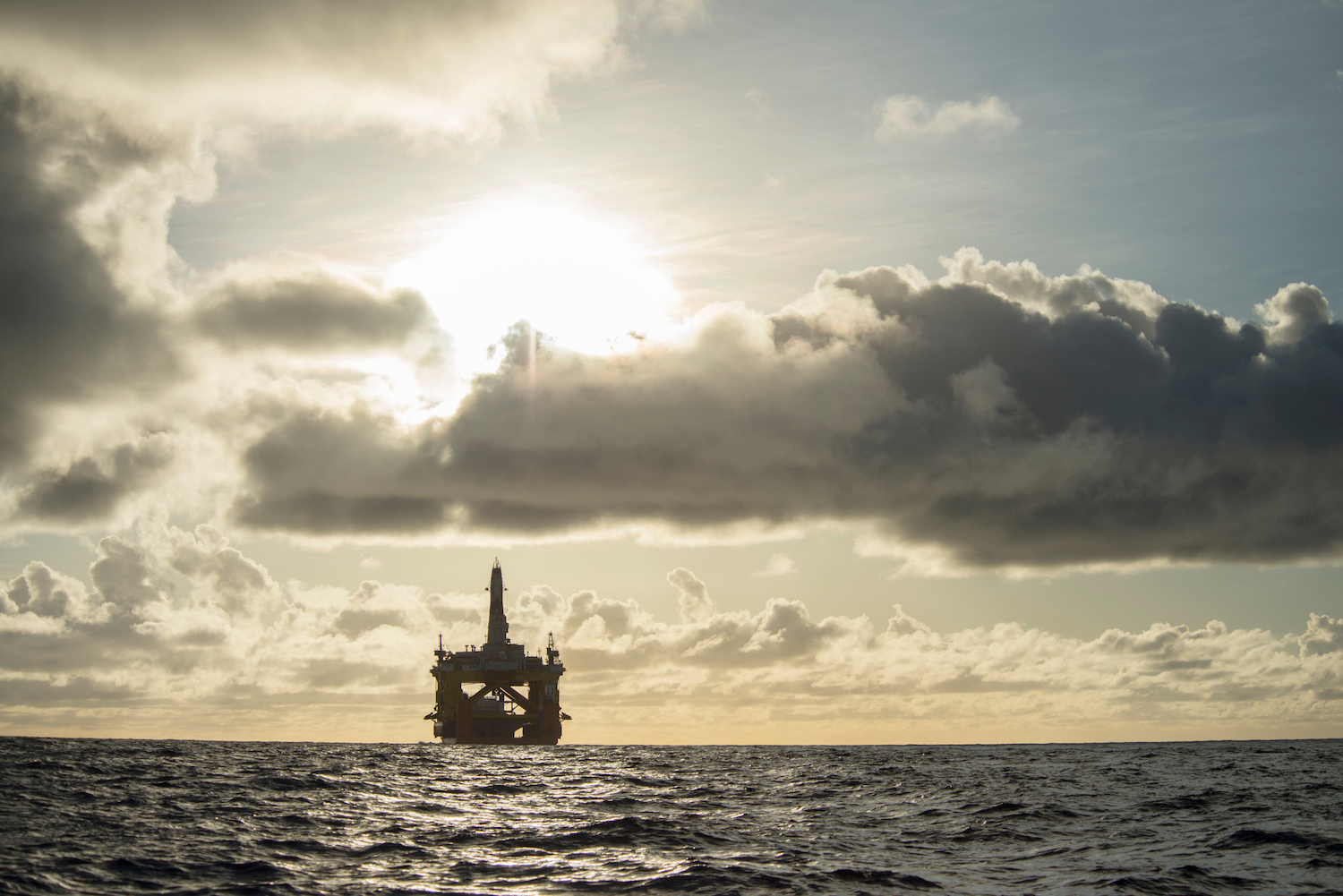
The alternative to renewable is oil. Many Arctic communities currently generate all their heat and electricity using fossil fuels that must be sailed in. Oil production and exploration has begun in some parts of the Arctic, both onshore and off.
I am not convinced that it is possible to clean up an Arctic oil spill. And before drilling begins in earnest, we must be certain we can clean up a spill. But once the technology exists that can ensure that the environment and the wildlife that forms a large part of the diet of many people living in the region, will not be affected, then there is no reason for rejecting Arctic drilling.
SEE RELATED: At the end of a long and winding road, a look ahead
If we are to prevent global warming, it goes without saying that the WWF, and myself personally, argue that as much oil as possible should be kept in the ground. But, seen from a broader perspective, it’s better that we focus our attention on the vast oil production fields of Saudi Arabia and the North Sea than it is to try to stop a pair of rigs from exploring for oil on Greenland’s continental shelf.
We can’t ask the people of the Arctic not to do what’s necessary to improve their quality of life because we, over the past two centuries, have released so much carbon dioxide that the world is now facing a calamity. Before we can tell the indigenous people of the Arctic that they may not produce oil, we in the developed world must stop our own production.
The people of the Arctic are not to blame for the current state of the world climate. Nor are the necessary fixes to our problems going to be found in the Arctic.
We in the West need to shoulder the burden. By working together, we, together with countries like China, India and the emerging economies of South-east Asia and South America, have the capacity to make a difference.
Safety remains a concern. And until it isn’t we shouldn’t drill in the Arctic. Doing so would risk fouling the environment and the maritime resources that currently make up some of the Arctic’s most important export items. We should not jeopardise this by drilling for oil before we know it can be done safely.
SEE RELATED: Power to the council
When it comes to the role of the Arctic Council, if its work is to remain relevant it must undertake new initiatives. Consensus has always been a cornerstone of regional relations, and with the deteriorating relations between the West and Russia it has become even more important.
Getting lawmakers, scientists and government officials together in the same place to discuss Arctic issues is helpful. During the American chairmanship, Washington must focus on four areas that are vital for the people of the Arctic and for the planet as a whole.
First and foremost, Arctic countries must do more to implement the good decisions that are made in the Arctic Council. All too often, those decisions rarely end up as anything other than good intentions.
Secondly, The Arctic Council must focus on development of renewable energy. This could be in the form of hydroelectric, as in the case of Greenland, but, in the land of the midnight sun, solar power also has potential. Electric cars are also worth considering, given the limited number of roads in the Arctic. By showing that they take sustainability seriously, Arctic countries can serve as a model for the rest of the world that something must be done to address climate change, which hits the Arctic especially hard.
SEE RELATED: US chairmanship must focus on co-operation, report urges
Next, we must see consequential decisions being made in areas that are of importance: environment, wildlife and human development. Good management would prevent development from destroying important wilderness areas that play an important role for the environment and for the culture of the people of the North. The WWF has identified a number of vulnerable areas, just as we have identified areas that are so productive, so resilient and so biologically diverse, that they ought to be completely shielded from the worst risks associated with industrial development. With development and climate change already progressing at an accelerating pace, the time for effective management is now.
Finally, the Arctic Council must work to protect the diversity of Arctic wildlife. Arctic biodiversity is under such strain, primarily as a result of climate change, that the entire high Arctic ecosystem could well disappear within two decades. The Arctic Council has done much to protect biodiversity, but we have yet to see Arctic governments act on the recommendations of the working groups. This could easily be done in the next two years.
The Arctic Council could be the ideal forum for ensuring that the development of the Arctic benefits the people of the North, is sustainable and is carried out without impacting the environment or the wildlife that is so valued by all.
The countries of the Arctic must band together and ensure that this happens. Let us say no to open-air museums, and yes to a sustainable future in which the Arctic we know and value is permitted to thrive.
The author is the secretary-general of WWF Denmark.