Turning the other kamik
iAbout Press releases
As part of our continuing efforts to bring you as much information about our region as possible we offer readers a press release service that allows private firms, public agencies, non-governmental organisations and other groups to submit relevant press releases on our website.
All press releases in this section are published in their full length and have not been edited.
If you have a press release or other announcement you would like to have published, please send it to [email protected].
We reserve the right to reject press releases we deem irrelevant or inappropriate.
All material submitted to The Arctic Journal, including pictures and videos, will be assumed to be available for publication by The Arctic Journal and its related entities.
Editor’s Briefing is a regular summary of the main points about a current topic. At the end of each summary we provide a list of external articles and resources to give readers a place to begin if they would like to learn more.
Other internet bits and bobs, including Tweets and videos, are occasionally included.
As a way to encourage discussion about the topic, the briefing will also seek to include opinionated commentary. If you would like to suggest a topic for a briefing, or if you would like to provide a comment about a topic, please contact us.

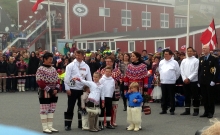
One big royal family (Image: Tele-Post, Photo: Steen Brogaard) Click to enlarge
(Image: Tele-Post, Photo: Knud Josefen)
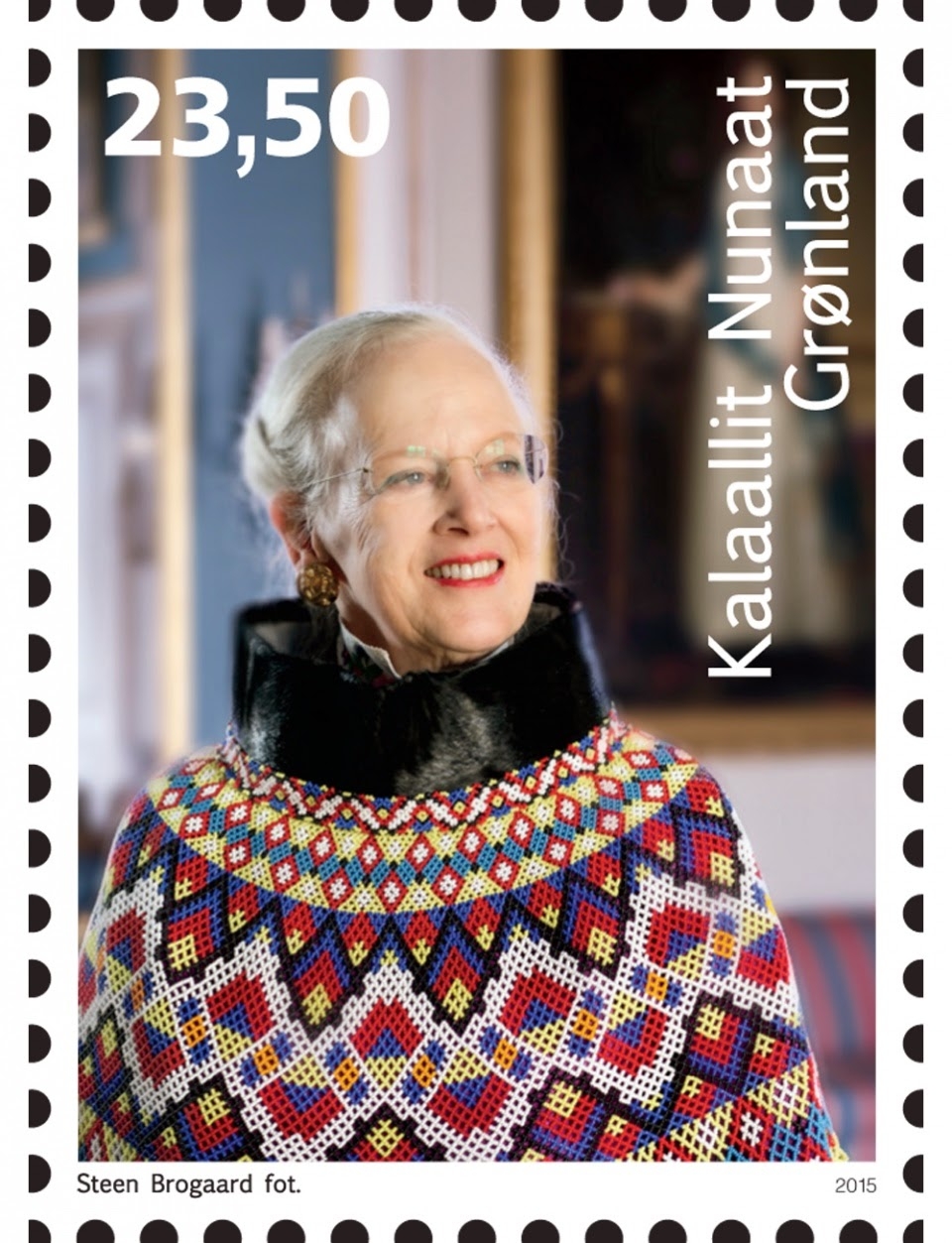
(Image: Tele-Post, Photo: Steen Brogaard)
As strained as the relationship between Greenland and Denmark can be, the opposite can be said to be true of Greenland’s affection for the Danish royal family.
This relationship has a number of cherished fixtures. First are the official visits. Typically taking place every other summer or so, royal calls on towns and settlements are so wildly popular that they temporarily bring ordinary life to a standstill.
Likewise, Greenland can always count on Queen Margrethe to make informed comments about Greenland in her annual New Year’s Eve address to the kingdom. Partly a measure of courtesy, the mentions have also shown themselves, often subtly, to accept the evolution of Greenland’s status, from colony, to county and now a self-governing country.
SEE RELATED: “Racist” and “stolen” Inuit references dog firms
As an example, whereas most ordinary subjects are still confused about whether to say ‘on’ (as in ‘on an island’) or ‘in’ (as in ‘in a different country’) when referring to Greenland, the queen’s speech is clear: she uses ‘in’, in so doing recognising that, while the people of Greenland remain a vital part of the kingdom she rules, it is also a distinct society.
This is an attitude that Prince Frederik, the heir apparent, has inherited. In 2000, he served with Siriuspatrulen, an army special-forces unit based in Greenland. Since then, he has returned regularly in various capacities, including, this year, as patron for the 2016 Arctic Winter Games and as a participant in the Arctic Circle Race, a challenging, three-day cross-country skiing competition.
As members of the royal family, Prince Frederik’s wife and children have also established relationships of their own with Greenland. For the kids, this, for now, appears to amount to being dragged along on royal visits, and, in the case of Prince Vincent and Princess Josefine, twins who are the prince’s youngest children, being given Greenlandic middle names (Vincent Frederik Minik Alexander and Josephine Sophia Ivalo Mathilda, in their full versions).
Princess Mary, Frederik’s Australian-born wife, meanwhile, has taken an active interest in the well-being of Greenlandic women and children, and has been to the country on her own as the chairman of the Mary Foundation as part of the organisation’s efforts to address violence against women and childhood bullying.
SEE RELATED: A tale of three outfits
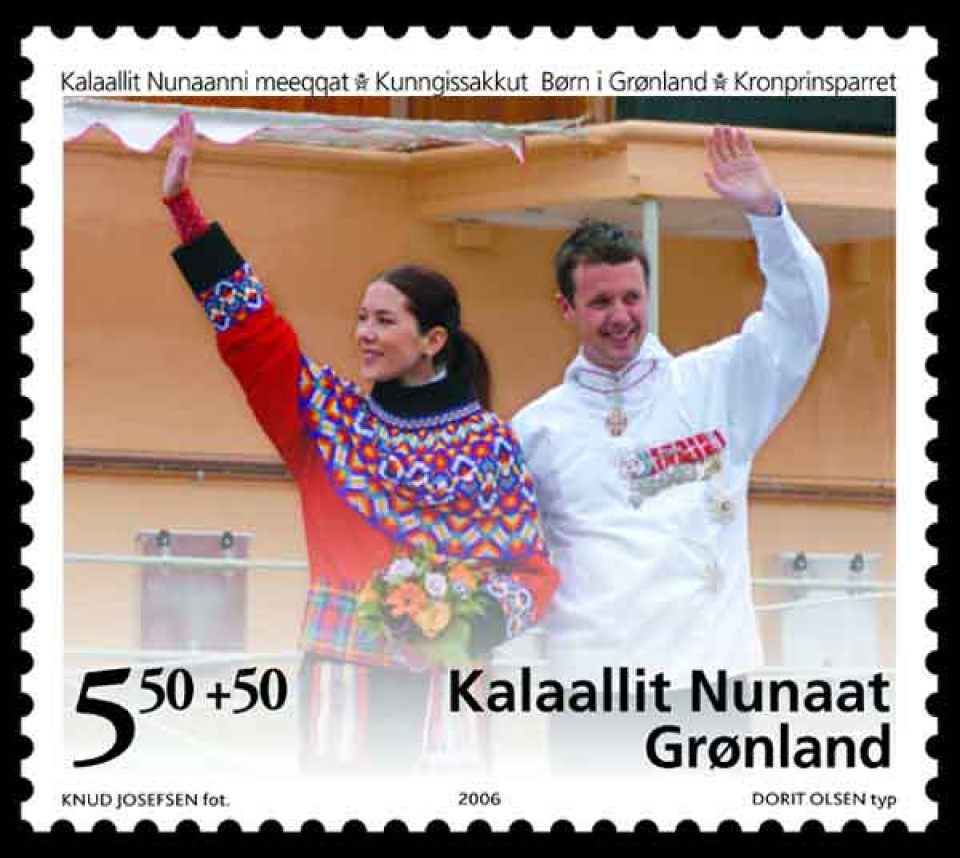
Given the royals’ involvement above and beyond the obligations of their station, it only made sense for Tele-Post, Greenland’s postal service, to honour Frederik and Mary’s ‘copper’ wedding anniversary (twelve and half years, if you aren’t up on your anniversary etiquette) with a commemorative stamp (top photo, at right).
The stamp features Frederik, Mary and their four children dressed in traditional Greenlandic clothing, and was unveilled on October 17, together with a series of other photos of the children playing while wearing their Greenlandic gear.
Not much has been made of the stamp in the Danish or Greenlandic media beyond the obligatory tabloid splashes. This is little surprise: royal stamps in both countries are commonplace (examples above right), and, as far as family portraits go, the stamp’s picture is unremarkable.
The stamp did generate media coverage in Mary’s home country, however. There, at least one news outlet found the situation an “entertaining” look at what it means to be a royal in the 21st century.
SEE RELATED: Open mouth, insert kamik
In addition to critiquing the fashionablity of the Greenlandic national outfit, the article questions whether the children were forced participants in the session (which, as toddlers and tweens, they no doubt were), and suggesting there was an element of embarrassment about being seen wearing their duds.
“The real winner in the photo,” the article states, “is 11-year-old Prince Christian (up the back) who has managed to hide behind his sister. Well played, Christian. With strategic moves like that you deserve to be heir to the throne.”
Given previous reactions to slights against their culture, response to the article in Greenland has been surprisingly restrained. An article in Danish and Greenlandic, published by SermitsiaqAG, The Arctic Journal’s sister site, mentioning the Australian article, has received uncharacteristically few comments. Of the four people to leave comments to date, all of them have preferred to express their satisfaction with the stamp and the royal family.
Well played, Greenland. Well played.
FURTHER READING
- Danish royals pose for stamp in Greenlandic costume
The Local Denmark - The Danish royal family has released a new stamp ... and it’s thoroughly entertaining
news.com.au - What to wear on the first day of school – Greenland style
CBC North - Greenland: a nation out in the cold
The Independent - Traditional dress
Visit Greenland - Art and innovation
Bata Shoe Museum
Latest news