Third-lowest January sea-ice extent
iAbout Press releases
As part of our continuing efforts to bring you as much information about our region as possible we offer readers a press release service that allows private firms, public agencies, non-governmental organisations and other groups to submit relevant press releases on our website.
All press releases in this section are published in their full length and have not been edited.
If you have a press release or other announcement you would like to have published, please send it to [email protected].
We reserve the right to reject press releases we deem irrelevant or inappropriate.
All material submitted to The Arctic Journal, including pictures and videos, will be assumed to be available for publication by The Arctic Journal and its related entities.
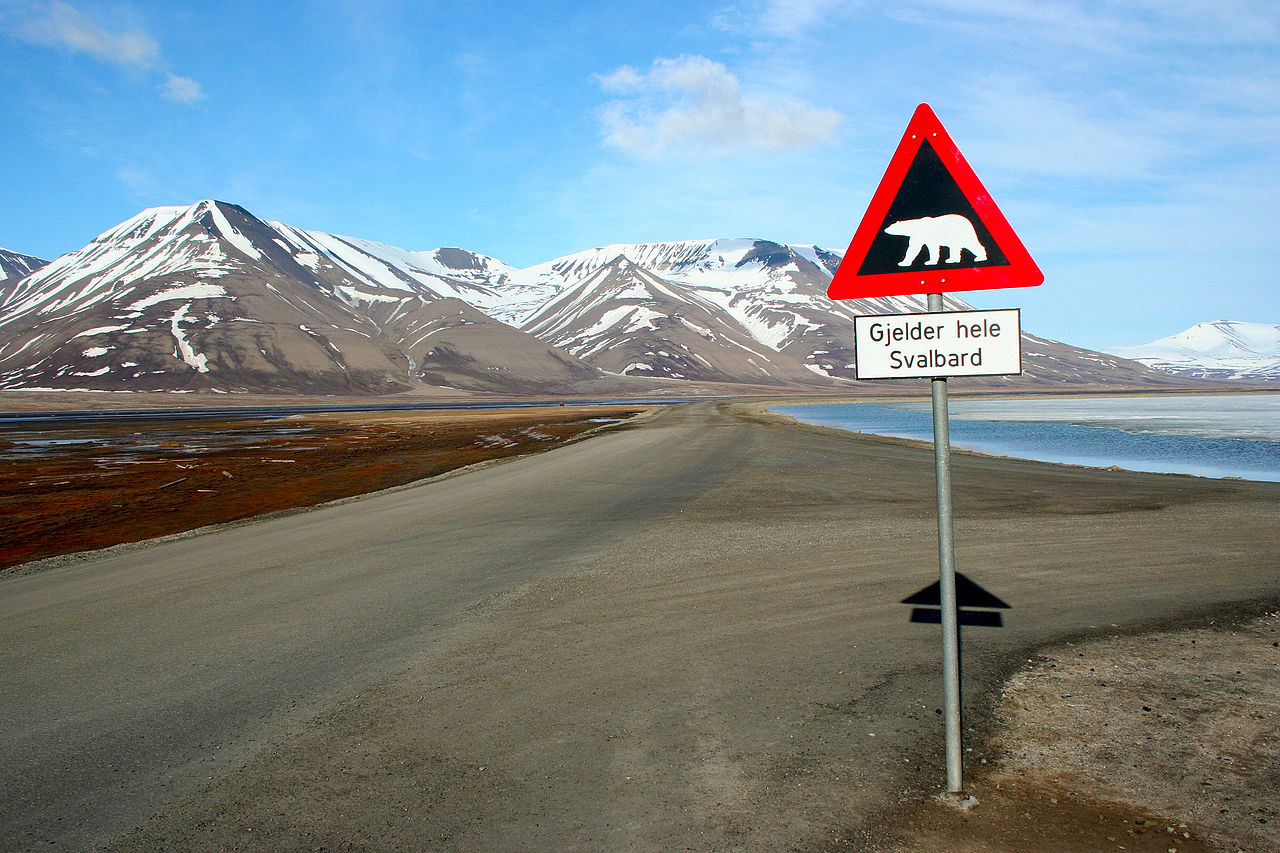
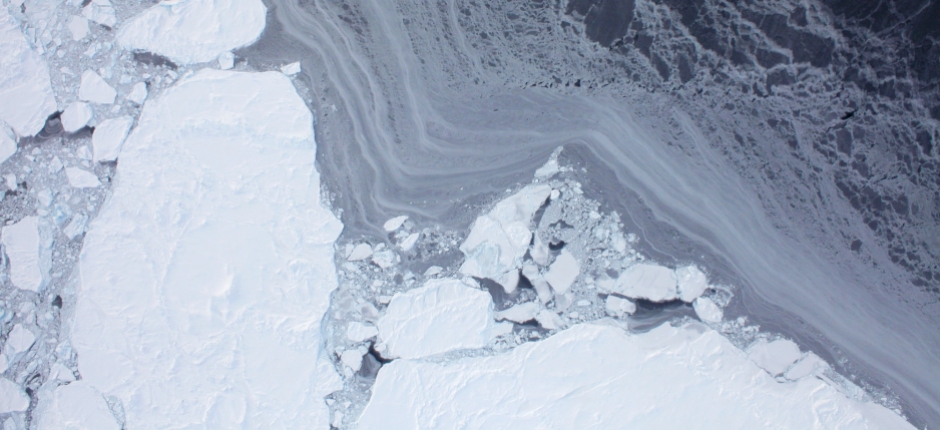
A combination of warmer air temperatures and higher pressure over the Arctic Ocean resulted in January being the third lowest sea extent ever recorded for the month, reports the National Snow and Ice Data Center, a Colorado-based research institute that is partly funded by Nasa.
At 13.62 million square km, maximum sea-ice extent in January was 910,000 square km below the 1981-2010 long-term average, according to the NSIDC data, released on February 3. The January extent was 50,000 square km above the record low for the month, set in 2011.
Starting in 1979 through to this year (the period satellites have been monitoring Arctic sea ice), the January extent has declined 3.2% per decade.
SEE RELATED: Editor’s Briefing | Global warming
January air temperatures were generally above average over most of the Arctic Ocean, with temperatures reaching as high as 6C above normal over the Chukchi, Bering and East Greenland seas.
This year’s below-average extent was mainly a result of lower-than-normal ice levels in the Bering Sea and the Sea of Okhotsk.
This is a reversal of the pattern seen since 2004, according to the NSIDC. During the period, ice extent in the Barents has been below average while ice in the Bering has been above average.
The NSIDC, citing the University of Bergen, said the higher-than-expected Barents ice levels were due to a reduced flow of water from the Atlantic Ocean.
Ice extent was near average in the East Greenland Sea, Baffin Bay and the Labrador Sea.
SEE RELATED: Waiting for ablation
During most of January, the Arctic Oscillation, an atmospheric circulation pattern, was in a what the NSIDC describes as a strongly positive phase. That, they say, results in low sea-level air-pressure over the Arctic Ocean and high sea-level pressure in the middle latitudes of the Northern Hemisphere.
The phenomenon plays an important role in the development of Arctic sea ice and could impact the summer ice melt in two ways. Firstly, during periods with a positive Arctic Oscillation, surface winds push ice away from the shores of Siberia. This leads to the formation of young, thin ice that is more likely to melt during the summer.
Secondly, a positive Arctic Oscillation tends to increase the transport of thick, multi-year ice out of the Arctic through the Fram Strait.
Find the full January report as well as other ice data on the NSIDC website.